2.Tourist information facilities#
2.2Visitor information centres – urban areas#
2.2.2Visitor information centre on side-street – Turnoff and trailblazer signing#
Difference
The following Figure 2.2.2(a) replaces Figure 2.1 in the Standard:
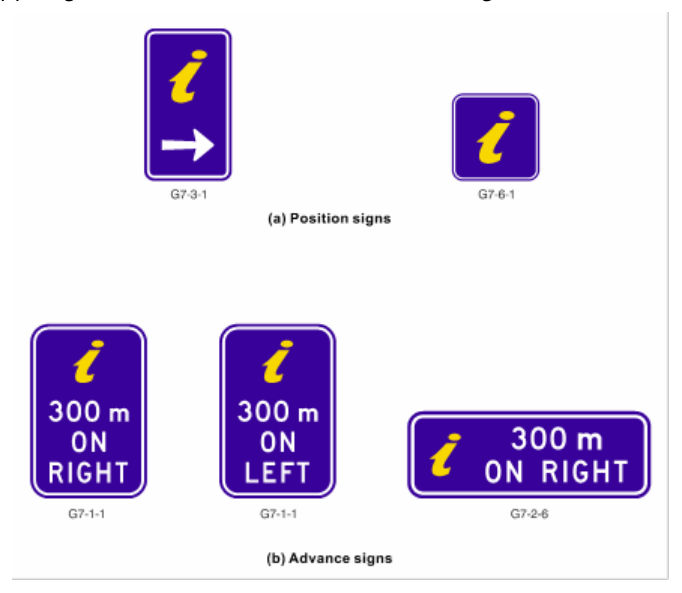
The following Figure 2.2.2(b) replaces Figure 2.2 in the Standard:
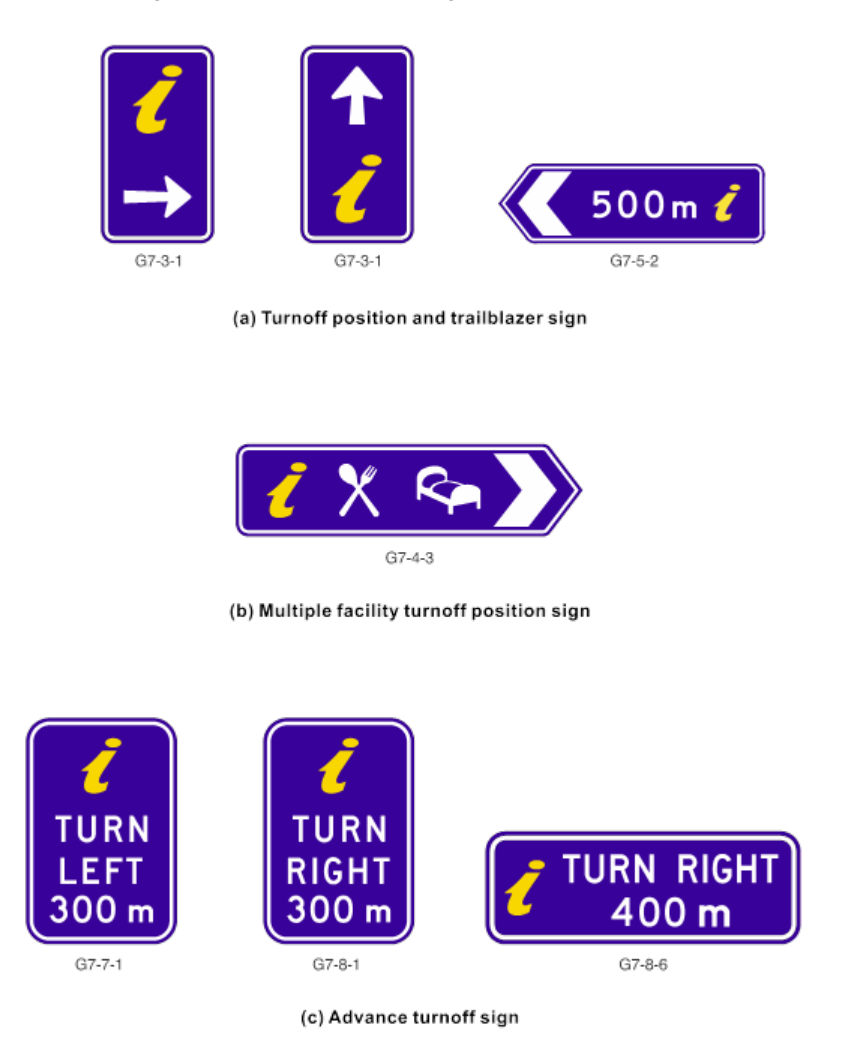
The following Figure 2.2.2(c) replaces Figure 2.3 in the Standard:
2.2.3Inclusion on gateway signs#
Difference
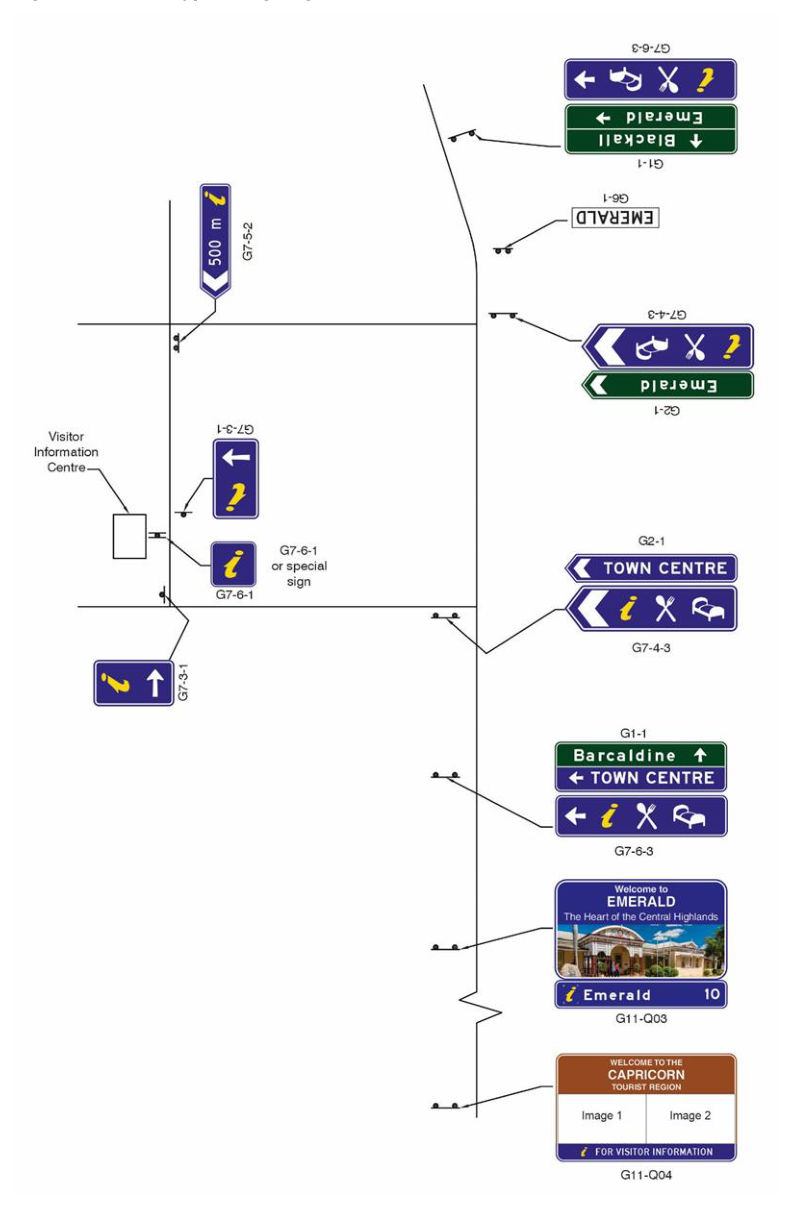
The following Figure 2.2.3 replaces Figure 2.4 in the Standard:
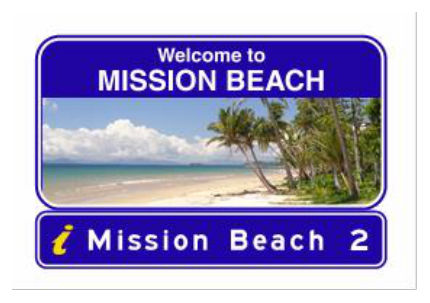
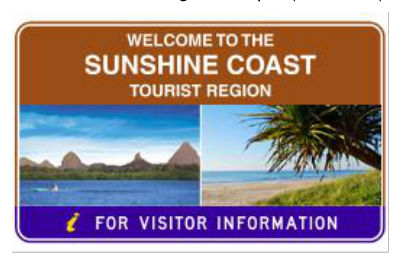
Town Welcome Sign Example (G11-Q03) · Tourist Region Welcome Sign Example (G11-Q04) · Welcome to Queensland Sign Example (G11-Q05)
2.3Visitor information centres – rural areas#
Difference
The following Figure 2.3 replaces Figure 2.5 in the Standard:
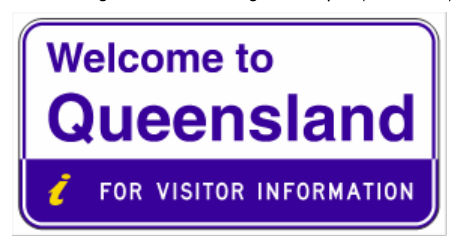
G7-14-1
2.4Tourist information facilities#
Deletion
Paragraph (d) does not apply in Queensland.
Difference
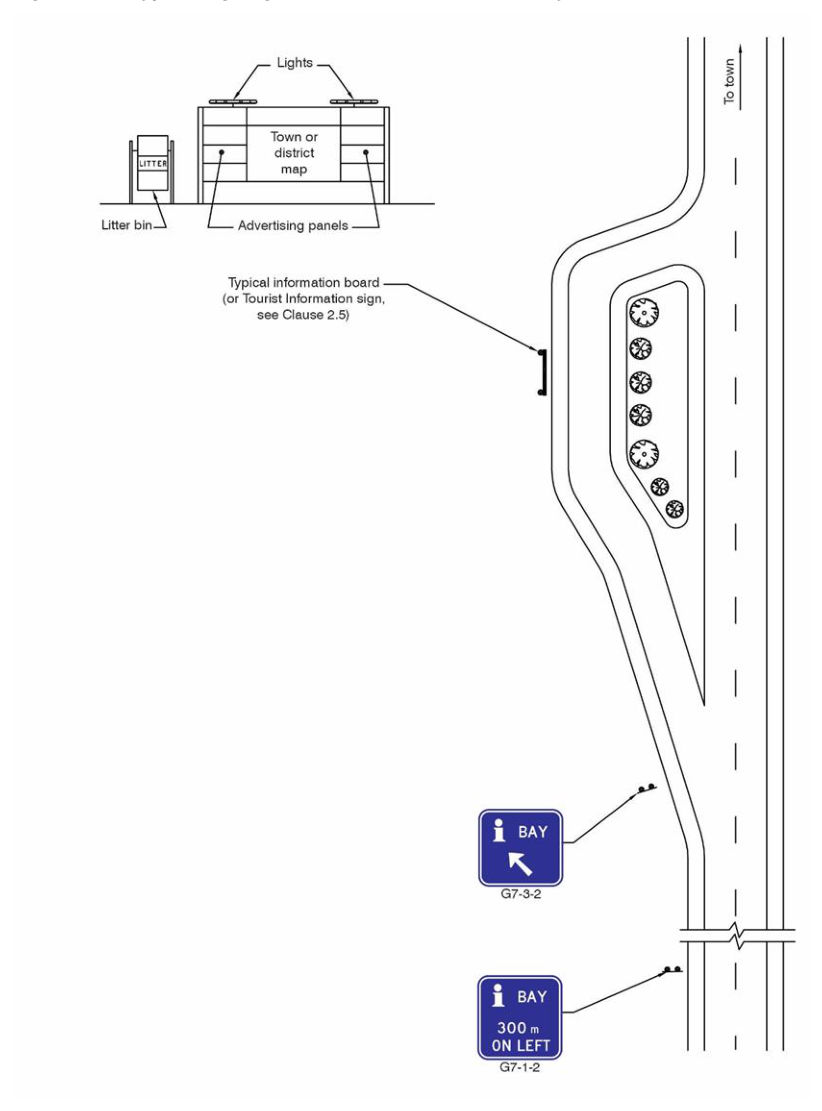
The following Figure 2.4 replaces Figure 2.7 in the Standard:
2.5Tourist information signs#
New
Tourist Information Signs may only be erected in off-road locations such as rest areas.
Typically, tourist information signs may include:
- a map of Queensland showing all the Strategic Touring Routes, Important Destination Points and Key Decision Points
- the major available route options (including Strategic Touring Routes, Regional Link Routes, National Highways and National Routes)
- a state or regional Welcome together with short slogans or identifying statements, particularly if coordinated with other aspects of the Visitor Information Network
- additional information such as:
- − regional Tourist Associations product signing
- − historical information
- − key sites and attractions
- − driving or touring in Queensland tips
- − types of Route Markers used in Queensland.