4Sign face construction#
4.1Sign face materials#
Refer to MRTS14 Road Furniture for details regarding the sign face material requirements.
4.2Sign face construction#
4.2.1Construction types#
Section 5 describes how to determine the number and placement of stiffeners required for the sign face.
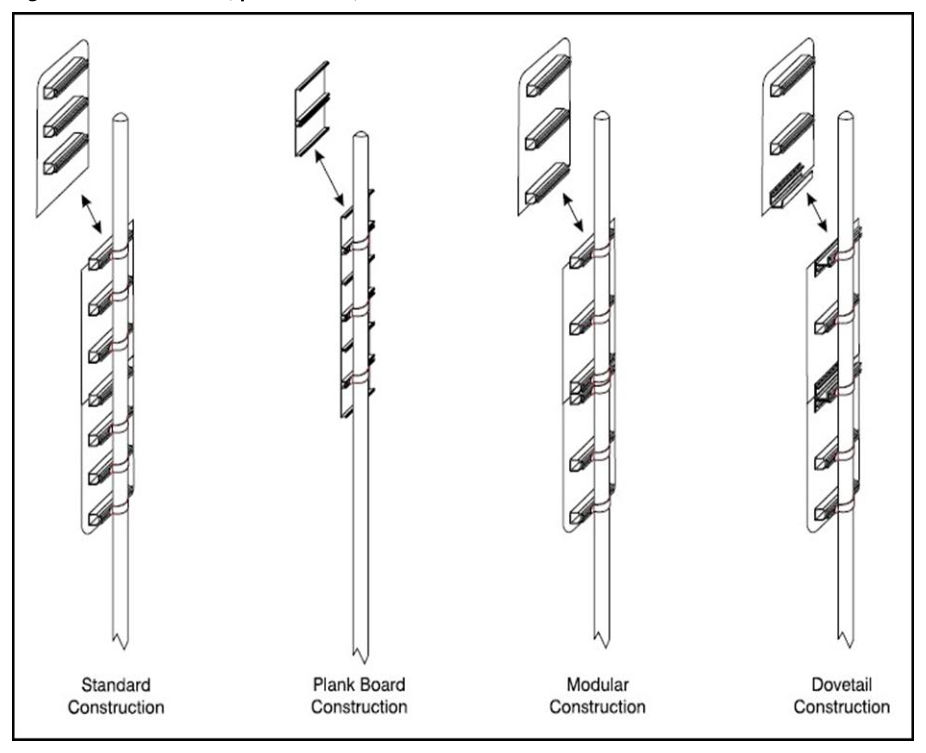
For larger signs, using the maximum stiffener spacing can lead to problems when attempting to erect a large sign in one piece. Several alternate sign face designs have been devised to overcome this problem. Such alternative construction methods shown in Figure 4.2.1, include:
- standard
- plank board
- modular, and/or
- dovetail.
4.2.2Standard construction#
The standard way of supplying a sign in sections is shown in Figure 4.2.2.
The stiffener rail is used to span the horizontal joint and the sections are usually predrilled then riveted on site. The depth of panels varies depending on the stiffener spacing and cut plate sizes.
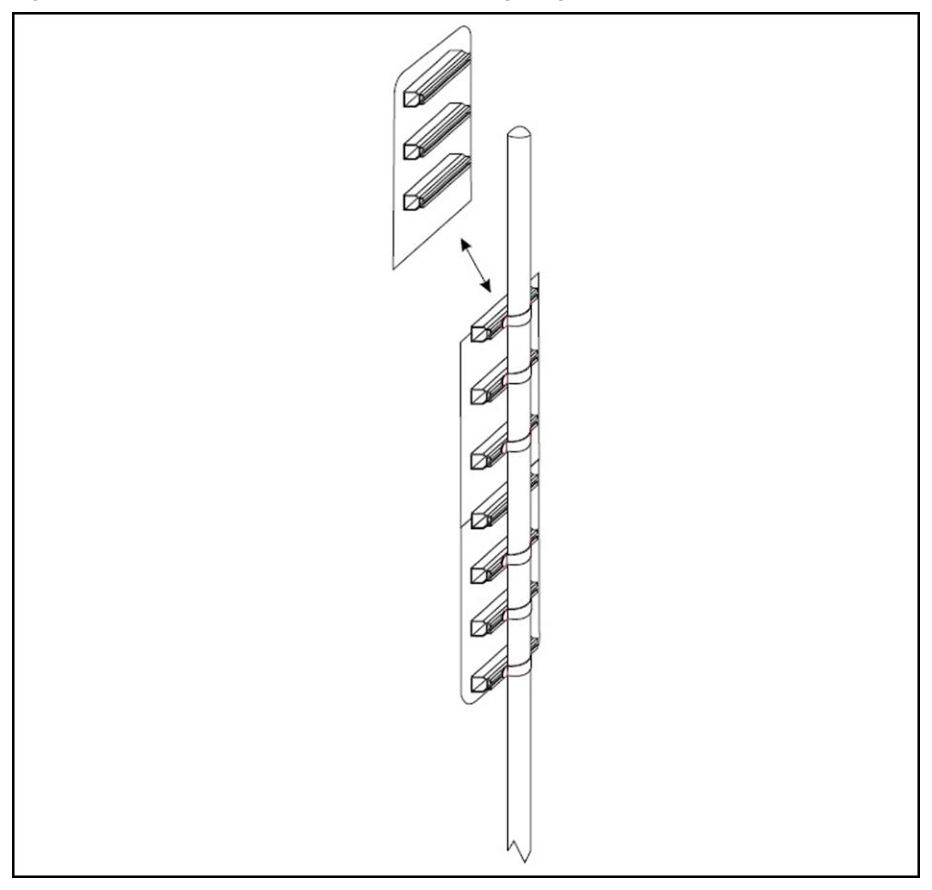
A system which uses panel modules of 1.2m is the recommended method for large sign construction, when the sign cannot be transported in a single piece. An alternative approach is to use specialist stiffeners such as the Signfix Dovetail system.
4.2.3Plank board construction#
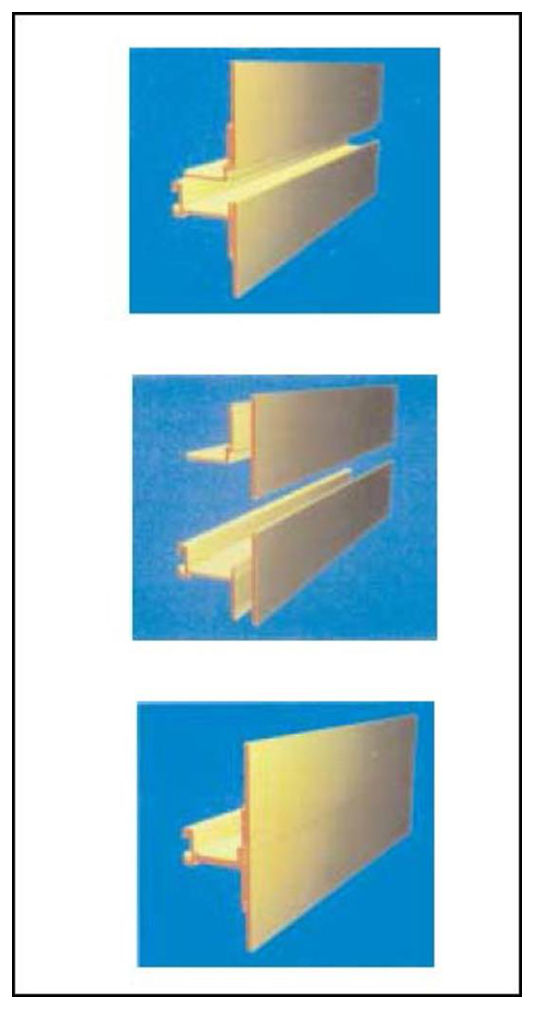
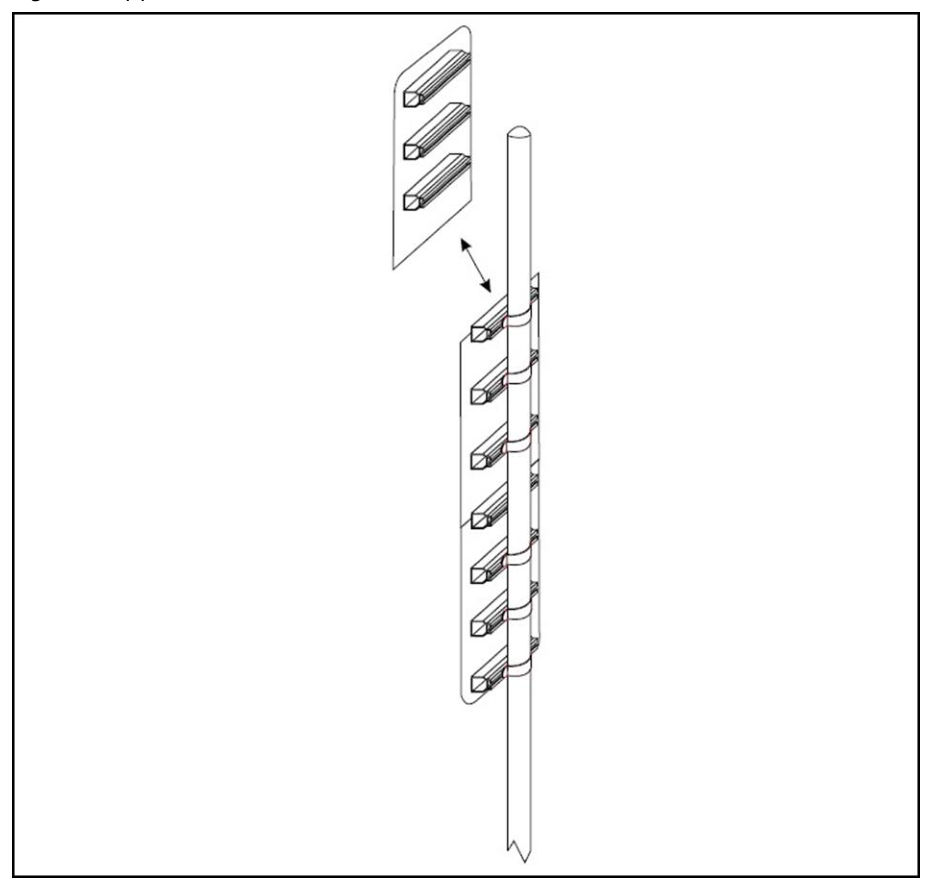
Plank boards signs comprise interlocking planks extruded from high tensile aluminium in depths of 200 and 300mm. Figure 4.2.3(a) shows a typical plank sign detail, with another plank about to be attached.
To construct a sign using planks, each individual plank is layered on top of another and held in place using plank clips. The centre channel is then attached to the sign supports by a saddle bracket.
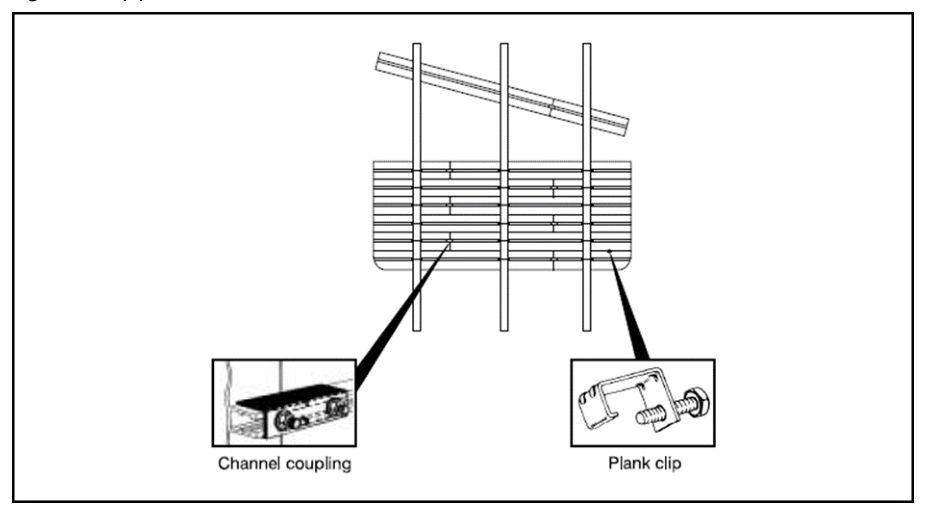
Where staggered joints are allowed to be used channel couplings are required to be used across each joint. Figure 4.2.3(b) shows a typical channel coupling and plank clip.
Plank boards are recommended for larger signs, gantries, cantilevers and sites where transport or erection could be difficult. For small signs erection is possible using ladders rather than cranes.
The use of planks for street name, stream name and other signs 200mm and 300mm deep is also recommended due to the planks stiffeners and the need for less saddle fittings.
Advantages#
- Readily available
- sign surface is rivet free
- easy to transport, move and handle than plate signs
- can be installed using ladders
- can be stored on edge without damaging the retro-reflective film
- increments of 100mm can be achieved when calculating sign size of 300mm and 200mm planks available
- individual planks can be replaced rather than the whole sign
- fast erection times are achievable
- appearance can be improved as no rivets or buckling, and
- planks can be re-sheeted and re-used easier than plates.
Disadvantages#
- Higher material costs due to a thicker cross section
- higher wastage due to more off-cuts
- design of the sign face should allow positioning of legends away from plank edges
- rounded sign corners are not obtainable without hand jigsaw cutting
- difficult to cut lengths, as a cutting saw rather than a guillotine is required
- plank clips and additional saddle fittings are required compared to a plate sign
- more potential for dirt ingress and weathering on the cut edges of the Class 1 film signs, and
- screen-printing is difficult across planks.
4.2.4Modular construction#
Modular sign panels may be used for larger signs to reduce the difficulty of handling and erecting different size sections or a single large sign.
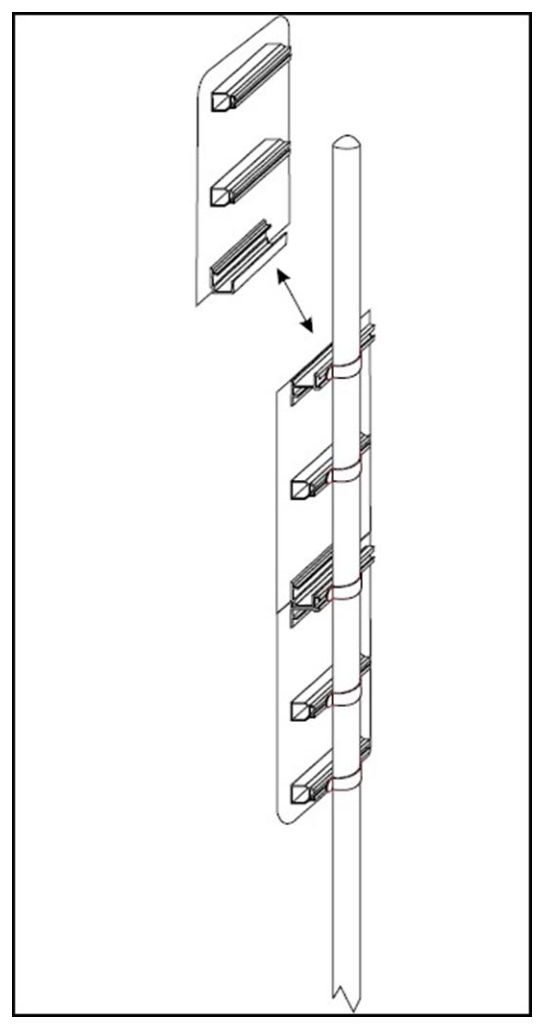
Figure 4.2.4(a) shows a general arrangement for the assembly of modular panels. Each panel is 1.2m high constructed as a normal panel sign except for the stiffener spacing and location.
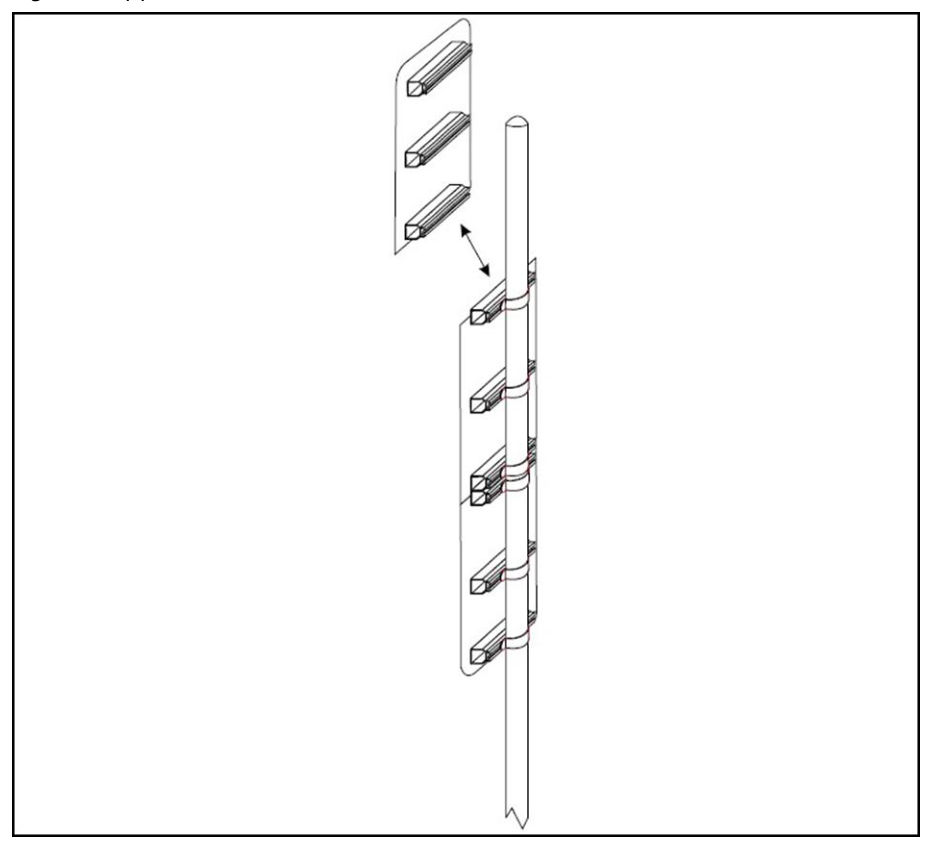
The modular system requires the stacking of panels on top of each other. The stiffeners are located to allow positioning on top of each other while the sign face sheeting overlaps to present an appearance of a smooth sign face.
Saddle fittings are used to clamp the sign face to the supports avoiding the need for on-site riveting. Figure 4.2.4(b) shows a detailed sketch of a modular sign using aluminium plate and Type 2A stiffeners.
The location of the upper and lower stiffeners is not critical, provided panel overhang between the stiffener and the top or bottom of the sign does not exceed 150mm.
Detail A and B on Figure 4.2.4(b) shows the location and attachment of a typical Type 2A stiffener.
For the top of the modular panel and bottom of the next panel, the stiffener rails are arranged as shown in Detail C. Firstly, the lowest panel is attached by saddle fittings to the supports. The bottom stiffener of the second panel is then rested on top of the stiffener of the first panel, before being attached by its own saddle fitting to the support. This is repeated until the sign is completed, or a smaller panel is attached at the very top as per Detail D.
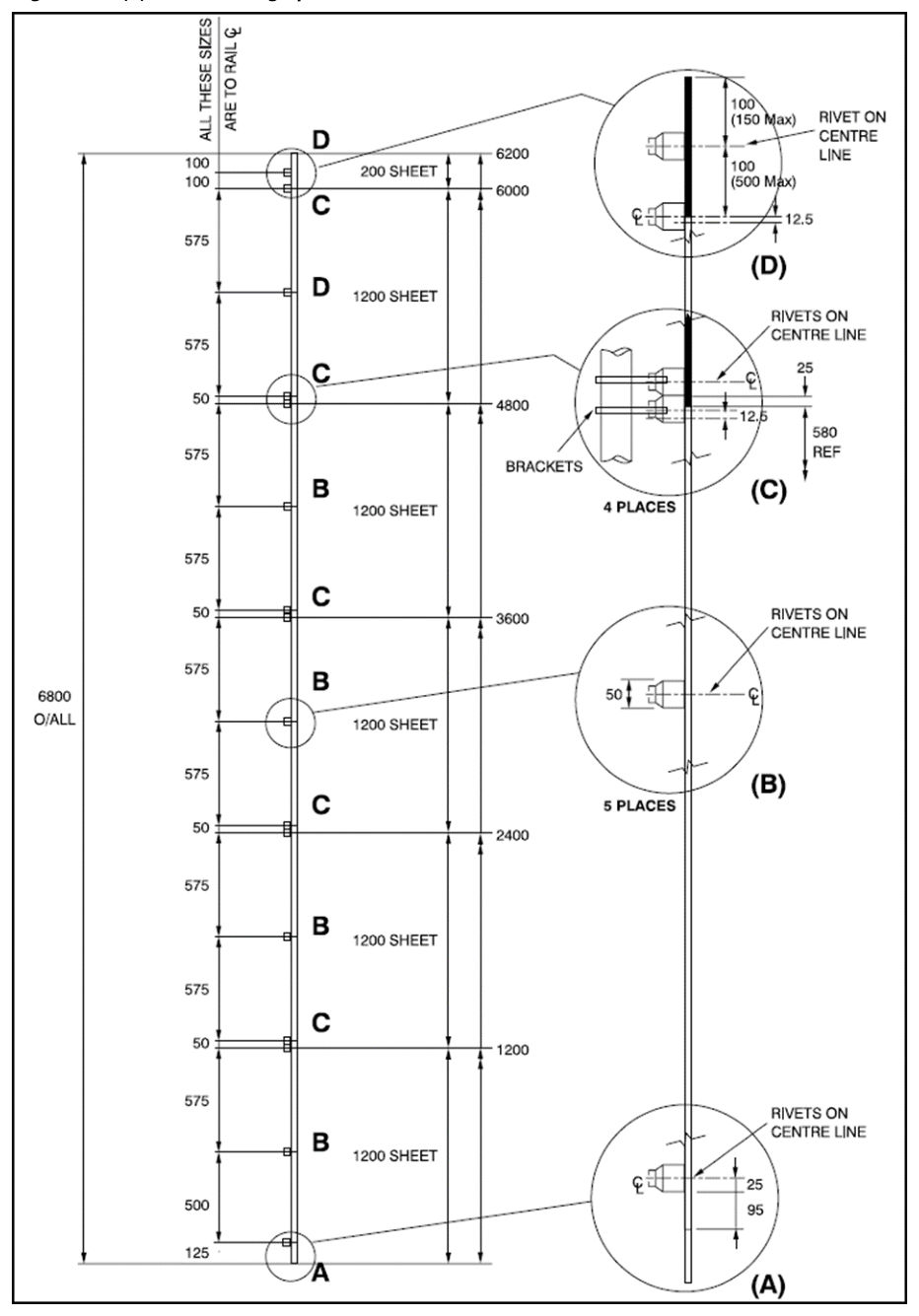
For signs where the 580mm spread of stiffener rails could affect the visual appearance, due to minor deformation between stiffeners, 2mm thick sheeting or additional stiffener rails should be considered. The use of the modular system is recommended for all large signs (deeper than 1.2m) that have to be assembled on site. The following is a summary of advantages and disadvantages of the use of a modular system.
Advantages#
- No riveting required on site
- appropriate size for transporting
- reasonable size of section for lifting by crane
- reduces the stress on cover strips and rivets during erection
- appropriate size for storage
- transportable face to face to protect retro-reflective sheeting face
- easier removal by sections and re-erection if required, and
- formalises existing practice of transporting large signs in sections to assemble on site.
Disadvantages#
- Additional stiffeners required, and
- no advantage for regions close to the sign manufacturer, where large cranes are readily available and the whole sign is transportable.
4.2.5Dovetail construction#
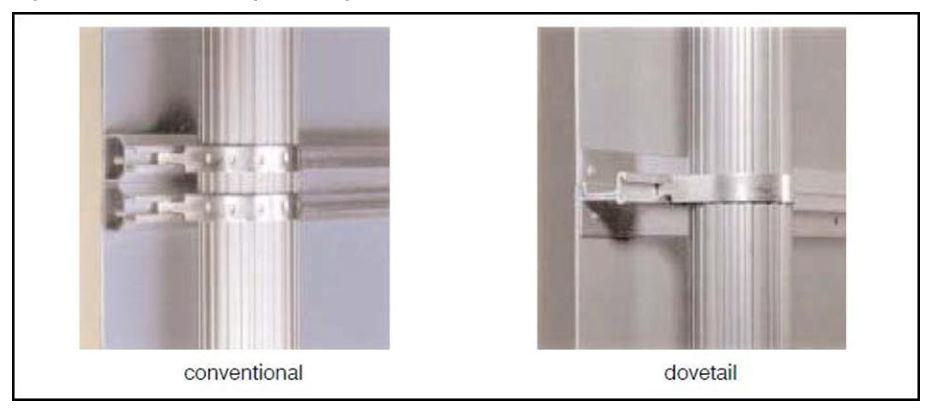
Dovetail construction is a variation of the standard construction (stiffener on sign edge) that utilises a two-part interlocking channel section (dovetail) rather than two complete abutting channel sections. Figure 4.2.5(b) illustrates the two-section dovetail construction. The advantages of this system are 1) improved rigidity and resistance to deflection 2) savings on the cost of channels, and 3) savings on the number of fixing clips, as illustrated on Figure 4.2.5(c) which shows how a single clip in the dovetail system replaces two in the conventional system.