Division 6Driving in marked lanes designated for special purposes#
153Bicycle lanes#
- (1)A driver (except the rider of a bicycle or a personal mobility device) must not drive in a bicycle lane, unless the driver is permitted to drive in the bicycle lane under this section or section 158.
- (2)If stopping or parking is permitted at a place in a bicycle lane under this regulation, a driver may drive for up to 50m in the bicycle lane to stop or park at that place.
- (3)A driver may drive for up to 50m in a bicycle lane if the driver is—
- (a)driving a bus or taxi; and
- (b)dropping off, or picking up, passengers.
- (4)A bicycle lane is a marked lane, or the part of a marked lane—
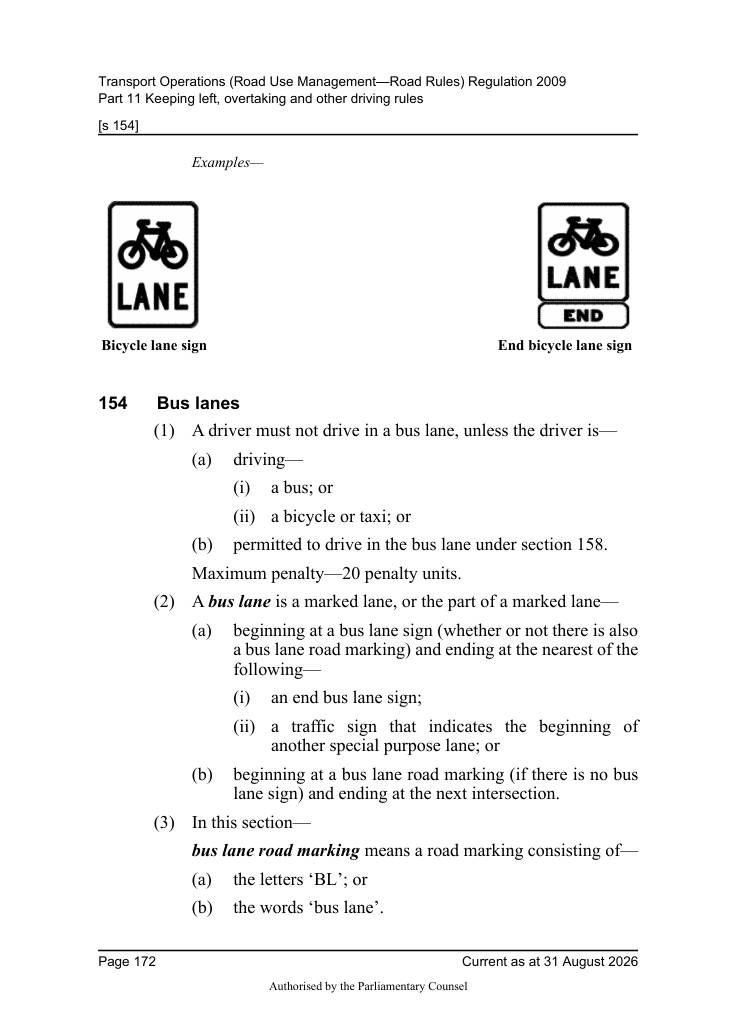
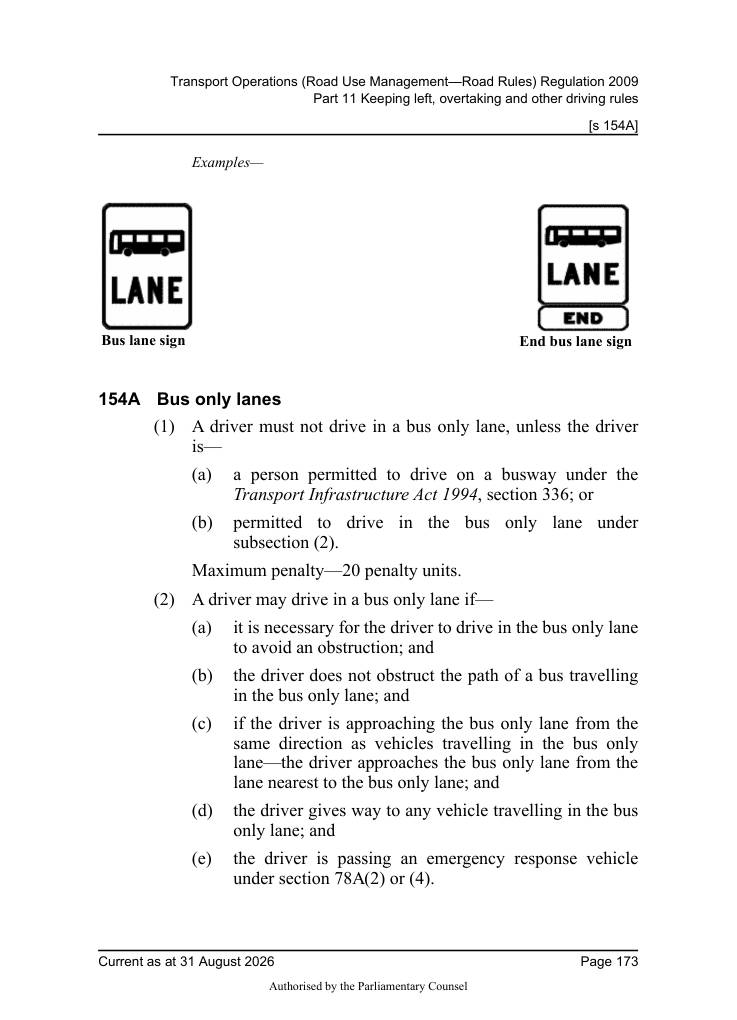
- (a)beginning at a bicycle lane sign applying to the lane, or a road marking consisting of a white bicycle symbol and the word ‘lane’ painted in white; and
- (b)ending at the nearest of the following—
- (i)an end bicycle lane sign applying to the lane, or a road marking consisting of a white bicycle symbol and the words ‘end lane’ painted in white;
- (ii)an intersection (unless the lane is at the unbroken side of the continuing road at a T-intersection or continued across the intersection by broken lines);
- (iii)if the road ends at a dead end—the end of the road.
154Bus lanes#
- (1)A driver must not drive in a bus lane, unless the driver is—
- (a)driving—
- (i)a bus; or
- (ii)a bicycle or taxi; or
- (b)permitted to drive in the bus lane under section 158.
- (2)A bus lane is a marked lane, or the part of a marked lane—
- (a)beginning at a bus lane sign (whether or not there is also a bus lane road marking) and ending at the nearest of the following—
- (i)an end bus lane sign;
- (ii)a traffic sign that indicates the beginning of another special purpose lane; or
- (b)beginning at a bus lane road marking (if there is no bus lane sign) and ending at the next intersection.
- (3)In this section—
- bus lane road marking
- means a road marking consisting of—
- (a)
- the letters ‘BL’; or
- (b)
- the words ‘bus lane’.
154ABus only lanes#
- (1)A driver must not drive in a bus only lane, unless the driver is—
- (a)a person permitted to drive on a busway under the Transport Infrastructure Act 1994, section 336; or
- (b)permitted to drive in the bus only lane under subsection (2).
- (2)A driver may drive in a bus only lane if—
- (a)it is necessary for the driver to drive in the bus only lane to avoid an obstruction; and
- (b)the driver does not obstruct the path of a bus travelling in the bus only lane; and
- (c)if the driver is approaching the bus only lane from the same direction as vehicles travelling in the bus only lane—the driver approaches the bus only lane from the lane nearest to the bus only lane; and
- (d)the driver gives way to any vehicle travelling in the bus only lane; and
- (e)the driver is passing an emergency response vehicle under section 78A(2) or (4).
- (3)A driver must not drive across a bus only lane, unless the driver is permitted to drive across the bus only lane under subsection (4).
- (4)A driver may drive across a bus only lane only if—
- (a)the driver is driving across the bus only lane to—
- (i)enter or leave a road; or
- (ii)enter a part of the road of 1 kind from a part of the road of another kind, including, for example, moving to or from a service road, the shoulder of the road or an emergency stopping lane; and
- (b)if the driver is approaching the bus only lane from the same direction as vehicles travelling in the bus only lane—the driver approaches the bus only lane from the lane nearest to the bus only lane; and
- (c)the driver gives way to any vehicle travelling in the bus only lane.
- (5)A driver turning at an intersection immediately after a bus only lane must give way to any vehicle travelling in the bus only lane.
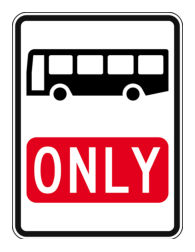
- (6)A bus only lane is a marked lane or the part of a marked lane—
- (a)beginning at a bus only lane sign (whether or not there is also a bus only lane road marking) and ending at the nearest of the following—
- (i)an end bus only lane sign;
- (ii)a traffic sign that indicates the beginning of a special purpose lane;
- (iii)a traffic sign that indicates drivers of vehicles may drive in the lane beyond the sign;
- (iv)an intersection with traffic lights or traffic arrows; or
beginning at a bus only lane road marking (if there is no bus only lane sign) and ending at the next intersection; or that is marked with a continuous line starting at the beginning of a bus only lane road marking and ending at an end bus only lane road marking.
In this section—
- bus only lane road marking
- means a road marking consisting of the words 'bus only'.
- end bus only lane road marking
- means a road marking consisting of the words 'end bus only'.
155Tram lanes#
- (1)A driver must not drive in a tram lane, unless the driver is—
- (a)driving—
- (i)a tram, tram recovery vehicle or bus; or
- (ii)a bicycle, bus or taxi; or
- (b)permitted to drive in the tram lane under this section or section 158.
Maximum penalty—20 penalty units.
- (2)A driver may drive in a tram lane if the driver is driving a truck and it is necessary for the driver to drive in the tram lane to reach a place to drop off, or pick up, passengers or goods.
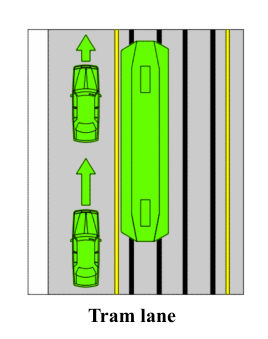
- (3)A tram lane is a part of a road with tram tracks that—
- (a)is between a tram lane sign and an end tram lane sign; and
- (b)is marked along the left side of the tracks (when facing the direction of travel of a tram on the tracks) by a continuous yellow line parallel to the tracks.
155ATramways#
- (1)A driver (except the driver of a tram, tram recovery vehicle or bus) must not drive in a tramway, unless the driver is permitted to drive in the tramway under subsection (2).
- (2)A driver may drive in a tramway if—
- (a)it is necessary for the driver to drive in the tramway to avoid an obstruction; and
- (b)when driving in the tramway, the driver does not move into the path of an approaching tram or bus travelling in the tramway.
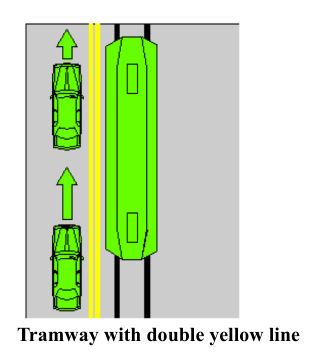
- (3)A tramway is a part of a road with tram tracks that—
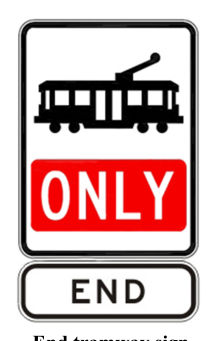
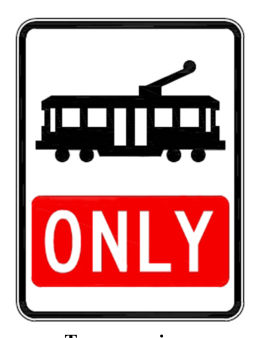
- (a)is between a tramway sign and an end tramway sign; and
- (b)is marked along the left side of the tracks (when facing the direction of travel of a tram on the tracks) by either—
- (i)2 continuous yellow lines parallel to the tracks; or
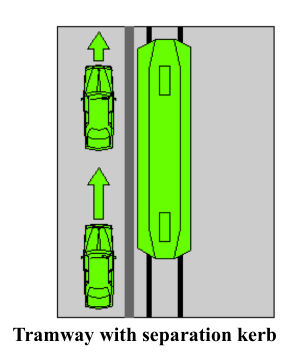
- (ii)a structure (for example, a dividing strip, pedestrian refuge, traffic island, row of bollards or separation kerb), whether or not the structure is also being used to indicate a safety zone;
but does include any part of the road where vehicles are permitted to cross the tramway.
- (4)For the purposes of subsection (3)(b)(i), a line is to be considered to be continuous despite any break in it that is designed to permit vehicles to cross the tramway.
156Transit lanes#
- (1)A driver must not drive in a transit lane, unless—
- (a)the driver is driving—
- (i)a bicycle, bus, motorbike, taxi or tram; or
- (ii)if the transit lane sign applying to the transit lane is a transit lane (T2) sign—a vehicle carrying at least 1 other person; or (iii) if the transit lane sign applying to the transit lane is a transit lane (T3) sign—a vehicle carrying at least 2 other people; or
- (b)the driver is permitted to drive in the transit lane under section 158.
Maximum penalty—20 penalty units.
- (2)A transit lane is a marked lane, or the part of a marked lane—
- (a)beginning at a transit lane sign; and
- (b)ending at an end transit lane sign.
Examples of transit lane signs—
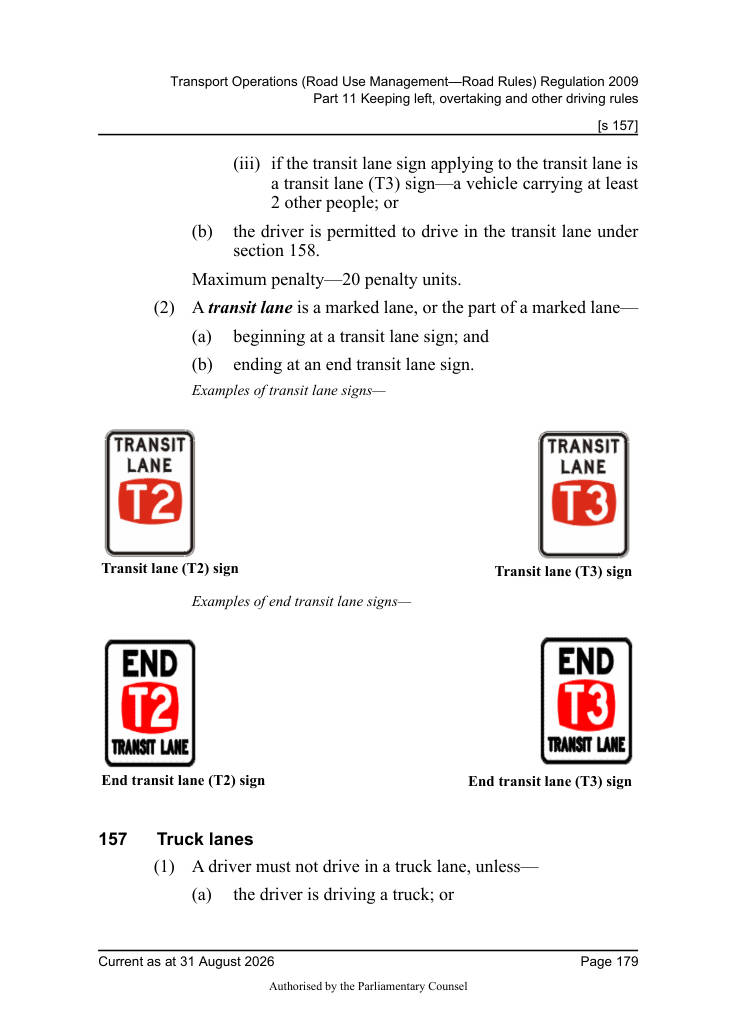
Transit lane (T2) sign
Transit lane (T3) sign
Examples of end transit lane signs—
End transit lane (T2) sign
End transit lane (T3) sign
157Truck lanes#
- (1)A driver must not drive in a truck lane, unless—
- (a)the driver is driving a truck; or
- (b)the driver is permitted to drive in the truck lane under section 158.
Maximum penalty—20 penalty units.
- (2)A truck lane is a marked lane, or the part of a marked lane—
- (a)beginning at a truck lane sign; and
- (b)ending at an end truck lane sign.
Examples—
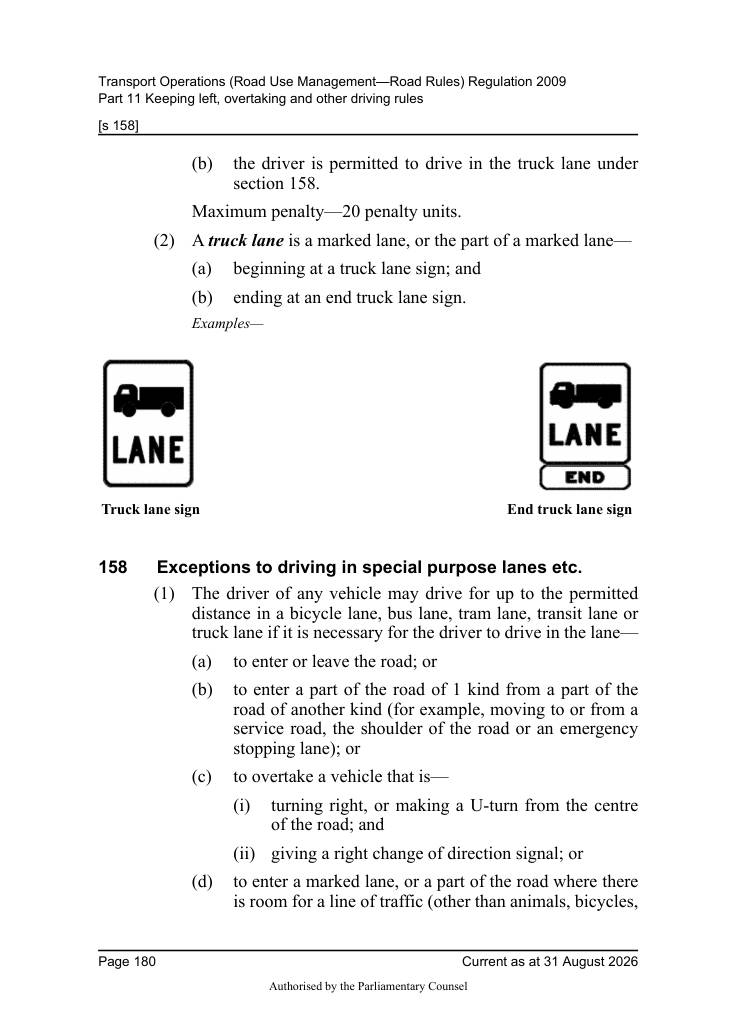
Truck lane sign
End truck lane sign
158Exceptions to driving in special purpose lanes etc.#
- (1)The driver of any vehicle may drive for up to the permitted distance in a bicycle lane, bus lane, tram lane, transit lane or truck lane if it is necessary for the driver to drive in the lane—
- (a)to enter or leave the road; or
- (b)to enter a part of the road of 1 kind from a part of the road of another kind (for example, moving to or from a service road, the shoulder of the road or an emergency stopping lane); or
- (c)to overtake a vehicle that is—
- (i)turning right, or making a U-turn from the centre of the road; and
- (ii)giving a right change of direction signal; or
- (d)to enter a marked lane, or a part of the road where there is room for a line of traffic (other than animals, bicycles, personal mobility devices or motorbikes) from the side of the road.
- (2)The driver of any vehicle may drive in a bicycle lane, bus lane, tram lane, transit lane or truck lane if—
- (a)it is necessary for the driver to drive in the lane to avoid an obstruction; or
- (b)information on or with a traffic sign applying to the lane indicates that the driver may drive in the lane; or
- (c)the driver is passing an emergency response vehicle under section 78A(2) or (4).
- (3)It is a defence to the prosecution of a driver for an offence against a provision of this division for driving in a bicycle lane, bus lane, tram lane, transit lane or truck lane if—
- (a)it is necessary for the driver to drive in the lane to stop at a place in the lane; and
- (b)either—
- (i)the driver is permitted to stop at that place under this regulation; or
- (ii)it is a defence under section 165 for the driver to stop at that place; and
- (c)if the lane is a bicycle lane—the driver drives in the lane for no more than the permitted distance.
- (4)In this section—
- permitted distance
- means—
- (a)
- for a bicycle lane or a tram lane—50m; or
- (b)
- for any other lane—100m.
159Marked lanes required to be used by particular kinds of vehicles#
- (1)If information on or with a traffic sign applying to a length of road indicates that a vehicle of a particular kind must drive in a particular marked lane, a driver driving a vehicle of that kind on the length of road must drive in the indicated lane, unless—
- (a)the driver is avoiding an obstruction; or
- (b)the driver is obeying a traffic control device applying to the indicated lane; or
- (c)the driver is permitted to drive in the indicated lane and also another marked lane under this regulation; or
- (d)the driver is intending to turn off the road or to make a U-turn and, in order to do so safely without disrupting other vehicles on the road, it is necessary to position the vehicle in another lane before starting or making the turn; or
- (e)the driver is passing an emergency response vehicle under section 78A(2) or (4).
Maximum penalty—20 penalty units.
- (2)A traffic sign mentioned in this section that is on a road applies to the length of road beginning at the sign and ending at the nearest of the following—
- (a)a traffic sign or road marking on the road that indicates that the first traffic sign no longer applies;
- (b)the next intersection on the road;
- (c)if the road ends at a T-intersection or dead end—the end of the road.
Examples of a traffic sign mentioned in the section and a traffic sign indicating that the first traffic sign no longer applies—
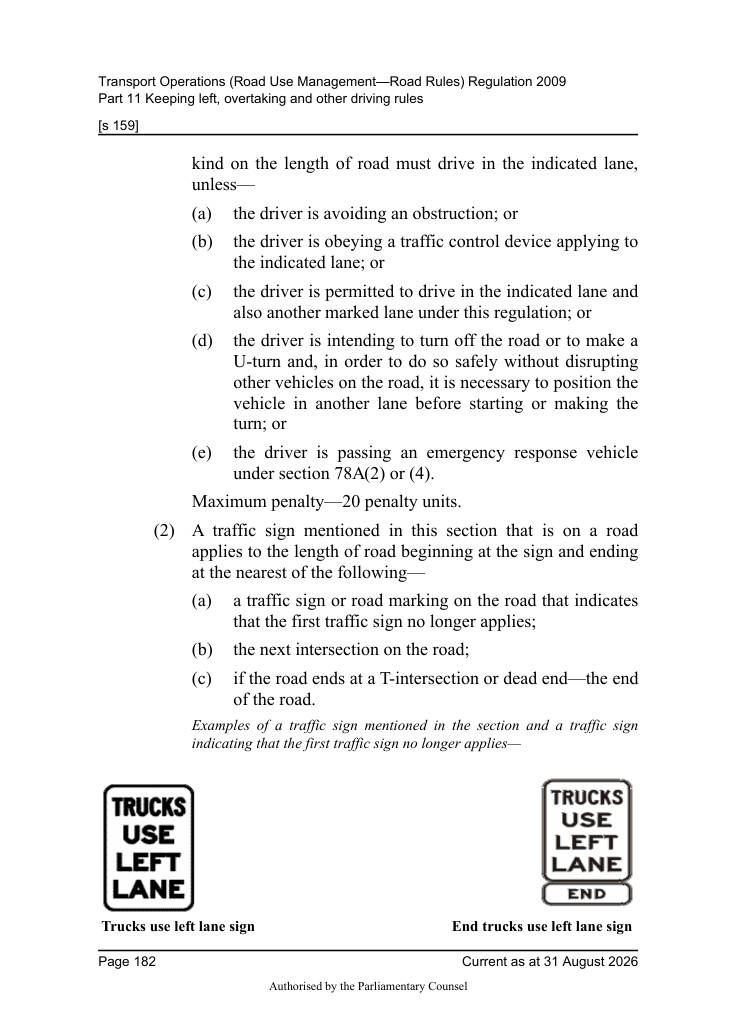
Trucks use left lane sign
End trucks use left lane sign